• Skip to main content

Levinson and Stefani Injury Lawyers

Client-first legal representation for injury victims. Injured? Free Consultation:

(312) 376-3812

  • Home
  • About Us
    • Attorneys
      • Ken Levinson
      • Jay Stefani
      • Vanessa A. Gebka
    • Practice Areas
      • Truck Crashes
      • Bus Collisions
      • Auto Accidents
      • Child Injuries
  • Firm News
  • Library
    • Articles
    • Cases
    • Law
    • Video
  • Blog
  • For Lawyers
    • Focus Groups
  • Free Case Review

auto crash

Safety Tips for Chicago Bicyclists

June 7, 2019 by Levinson and Stefani Leave a Comment

Chicago’s mostly cold. Cold weather makes for hardy people who drink black coffee, eat pizza that’s really a casserole, and put hot peppers on everything. People from Illinois also know how to navigate in the snow without a dogsled. And, they don’t lose their cool when the roads are slippery, even when riding a bicycle. 

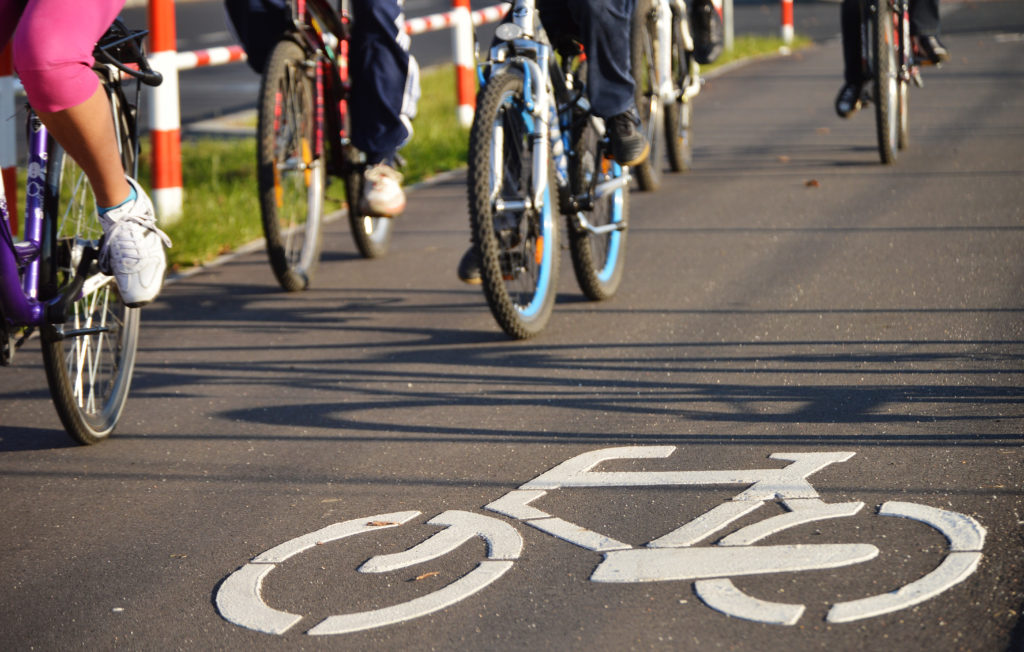
Chicago is a city that has a lot of people riding around on bicycles in all types of weather conditions, even those few weeks and months when the sun comes out of hiding. Bicycling is so popular here that Divvy, Chicago’s bicycle share program, is set to expand its coverage over the entire City by 2021. Currently, there is no service on the West Side, the Far South Side, or the Far Northwest Side. 

With even more people riding around on bikes than ever before, making sure everybody gets to their destination safely is, or at least should be everybody’s number one priority when it comes to transportation. 

There is no such thing as an accident

The word accident implies that the unfortunate or terrible thing that happened was unavoidable. A car crash is almost never an accident because a car crash is often times avoidable. Crashes occur when someone makes a poor choice. People drive drunk. They look at their phones while driving. They get behind the wheel when they haven’t had enough sleep and drive fatigued. Choices like these can lead to grave consequences especially when a car hits a bicycle.                                         

The U.S. Department of Transportation reported that 783 cyclists were killed in traffic crashes nationwide in 2017. There are steps that drivers and cyclists can take to decrease that number, if not eliminate bicycle traffic deaths altogether. 

Know the statistics

The U.S. Department of Transportation National Highway Traffic Safety Administrations maintains statistics on traffic deathseach year. 

  • Regardless of what time of year it is, the highest percentage of bicycle deaths happen between the hours of 6 p.m. to 9 p.m. 
  • Over 70% of cyclist fatalities occur in urban as opposed to rural areas. 
  • Alcohol use was reported in 35% of fatal crashes involving bicycles.  

Get to know the rules of the road

Cyclists in Illinois are required to follow the same traffic rulesthat apply to motorists. This also means that bike riders generally have the same rights as drivers do. Drivers need to give cyclists enough space to travel safely. The Chicago Municipal Code prohibits cars from driving, standing, or parking in a bike lane. Cyclists should generally keep as far to the right as is practically possible, with a few exceptions. Both bike riders and drivers should remember that they have to share the road and that keeping a proper lookout for other travelers is paramount. 

Don’t get distracted

Distracted driving is a big problem. This applies to people riding bikes as well. Not only that, but walking around in Chicago, you’re bound to see pedestrians looking down at their phones, too. Standing on the side walk and looking at your phone may be excusable, if not annoying to some, but propelling any form of transportation forward on city streets requires a person’s undivided attention. 

We’ve all heard that texting and driving can kill. According to U.S. Government statistics, 1 in 10 fatal crashes involve people who were distracted while driving; an entirely preventable statistic. There is no excuse for pulling your phone out if you’re driving or if you’re riding a bike. Just pull over. Even the most important phone call can wait when it’s a matter of life or death. 

If in doubt, learn to ride

The Chicago Department of Transportationand Divvy are offering free bicycle riding classeswith limited spots this summer. The classes are meant to help adults who never learned to ride a bike or haven’t ridden in a long time to ride with confidence and to feel comfortable riding on Chicago’s city streets. Space for these classes is limited. Classes may be open to children based on availability. Divvy will provide bikes to participants over the age of 16 because the program doesn’t allow kids under 16 to use its bikes. Participants under age 16 will have to provide their own bikes. 

Four things you should accomplish after an accident

October 26, 2015 by Ken Levinson Leave a Comment

It’s hard to think about the legal implications of an auto accident in the aftermath of a crash. The reaction, whether it’s the crash victim or a family member, is to focus on his/her injuries versus a protracted legal battle. I recently returned from teaching at the AAJ Trucking College in Dallas, where about 100 lawyers came together to discuss their cases and gain insight into legal know-hows. It reminded me of a few points that crash victims should be thinking about in the event of an accident, things that could prove to be difference makers once your lawyer starts negotiating a settlement or starts preparing for a trial.

What you know is that you’ve been hurt. What you don’t know is that insurance companies have taken steps to protect their interests almost immediately.

We’ve put together an informal checklist to make you aware of legal protections and to help you avoid the pitfalls of the shady business practices of insurance companies at the expense of someone’s inexperience. Contrary to what they tell you, insurance companies are looking to pay as little as possible, no matter how much they like to pretend. Of the dozens of crash cases we see each year, the bottom line is money: one side is looking for fair compensation (injured clients) while the other is looking to save themselves from paying more than they have to (insurance companies). That’s a different discussion entirely, but in the meantime keep these things in mind if you ever find yourself in an auto accident.

Contact a lawyer immediately

You’d be surprised to learn that some people wait until it’s too late. Our team fields calls each day from crash victims who take insurance companies at face value. Clients tell us how, in the beginning, insurers claim that ensuing compensation will be fair and equitable. Whether that turns out to be true is not necessarily the case. If you think about it from the perspective of an insurance claims representative, their goal is simple: save money, however possible. If that means pulling the wool over your eyes, then so be it. Our job is to make sure that doesn’t happen. You’ll save yourself a world of angst just by taking the time to contact the appropriate people with the appropriate resources.

By contacting a lawyer immediately, you’ve done three things: You’ve a) contacted someone who will protect your interests from the beginning of the process, b) you’ve contacted someone who knows the ins and outs of legal necessities (in the case of a truck crash, for example, gaining access to a black box, video surveillance, driving logs, etc. before they somehow “disappear”) and c) you’ve contacted someone who’s familiar with what fair compensation is and how to assess your injuries and the damage you’ve sustained. In short, lawyers are your vessel for full protection when your immediate concerns should be about your health.

Gather all relevant details of your crash

This might seem self-explanatory, and it may seem like it’s a job for someone else, namely the responding officer. It’s not necessarily enough. What’s worse, it’s likely not the first thing that’s on your mind after a crash. Still, witnesses are one of the most important factors in any injury case for obvious reasons. Did your accident take place at a nearby school or in front of a supermarket? Did it happen in your neighborhood or in a populated region? Did someone take pictures?

These are the details that can prove effective during settlement negotiations or a trial, even something as simple as noting the time of day, taking note of a cell phone log, or even the type of shirt the driver was wearing (was it a novelty shirt that, however jokingly, referenced fast driving?). All the ammunition you can muster will only help to serve your interests. Recounting them by putting it on paper will keep you ahead of the game.

Think of a family member/friend that might be willing to help

An auto accident can be a traumatizing experience. One of the things that many people find helpful is asking a friend and/or family member to act on their behalf. The scope of which you decided to allow your friend or family member to be involved is up to you, but the purpose is to take undue stress off your shoulders. If that means organizing a schedule of events, keeping up to speed with updates or acting as liaison to your lawyer, then all the better. The point is to make sure your interests are protected from the start and throughout the process of litigation.

Get to the “human level”

Trust is the most important part of any relationship. That goes for your lawyer, too. You need to feel safe. You need to feel comfortable. That’s part of our job, but you can’t take things for granted. There are questions you want to ask: “Have you handled a case like this before?” for example. “Are you licensed to practice in Illinois?” Sound bizarre? You’d be surprised just how many people are willing to take on a case without the proper licensure. To use an old adage: no question is a bad question. The more comfortable you feel, the better the opportunity for a seamless process and peace of mind. Build together, grow together, win together.

  • « Go to Previous Page
  • Page 1
  • Page 2

Levinson and Stefani Injury Lawyers in Chicago / Attorney Advertising