• Skip to main content

Levinson and Stefani Injury Lawyers

Client-first legal representation for injury victims. Injured? Free Consultation:

(312) 376-3812

  • Home
  • About Us
    • Attorneys
      • Ken Levinson
      • Jay Stefani
      • Vanessa A. Gebka
    • Practice Areas
      • Truck Crashes
      • Bus Collisions
      • Auto Accidents
      • Child Injuries
  • Firm News
  • Library
    • Articles
    • Cases
    • Law
    • Video
  • Blog
  • For Lawyers
    • Focus Groups
  • Free Case Review

Levinson and Stefani

Takeaways From Madigan’s Latest Proposal, Allowing Video Cameras In Nursing Homes

September 29, 2014 by Levinson and Stefani Leave a Comment

The state of Illinois is potentially going Big Brother on senior citizens.

In recent news, Illinois Attorney General Lisa Madigan announced a controversial new proposal that would allow video cameras and audio recording devices to be installed inside the rooms of nursing home residents. If passed, Illinois would join Washington, Oklahoma, Texas, New Mexico and Maryland as the only states to approve such a law.

This comes just two years after distressing news out of Oklahoma, where a nurse subjected a 96-year-old resident to extreme physical abuse. The woman’s family, fearing the worst after several warning signs, installed a hidden camera in her room, revealing graphic footage that ultimately confirmed their worst suspicions. The ensuing backlash prompted Oklahoma and other states to ensure the safety of residents by instituting more stringent protection laws, including the installation of video cameras as a means to prosecute.

At the heart of the matter is privacy. To what extent should a person be subjected, and or subject others, to undue levels of intrusion? It’s an endless debate, but as far as Illinois is concerned, it’s s debate worth having. The Federal government points out that one in four nursing homes in the United States are substandard, citing inadequate living arrangements and, in some cases, staff abuse. Officials estimate that Illinois alone receives 19,000 calls per year alleging abuse or neglect and responds to just 5,000.

A national study conducted in 2014 determined that Illinois ranked as one of the lowest states in the nation when it comes to nursing home functions; the state received a failing grade following inspection. Now, the proposal by Madigan would give family members greater access to the care their loved ones receive on a daily basis.

Administrators have taken issue with the statistics, as well as the proposed law, calling it “an excuse” for relatives to sue. Others, by contrast, are quick to point out mental acuity and deteriorating health issues like weight loss, dementia, and immobility, as primary reasons for wanting and needing the ability to monitor loved ones. In the past Illinois has tried to pass a similar law allowing for the installation of video cameras, only to have support falter.

Here are a few things you should know about the latest law proposal:

  • It’s a work-in-progress. Madigan’s office is in currently drafting language for the bill, a measure that state Senator Terry Link supports. Link had previously sponsored a bill in 2007 with similar intentions, though that bill failed to pass. Now, however, Link anticipates little opposition given a new stipulation, which would require residents and their families to pay for them. (Link’s bill put the expense burden squarely on the state, which drew considerable criticism and opposition.)
  • In a press conference, Attorney General Madigan made clear that the proposed law intends to better the quality of living for nursing home residents, not intrude upon them. “I’m not advocating for turning anyone’s personal life into a reality show,” she said candidly. Instead, the proposal aims to allow recordings from the devices to be used in court, which would also include penalties for anyone who tries to hamper or obstruct the devices.
  • While legal in five other states, the practice remains untested in the state of Illinois. The Health and Human Services Department found U.S. nursing homes are dangerous places to live, noting that 20 percent of patients are harmed to the point of needing medical care. Others died as a result of mistreatment. Video cameras may be a way to prevent such abuse, but the idea poses significant hurdles beyond the obvious. For one, written consent would be necessary the installation of certain devices would require written consent from both the resident and the roommate.
  • Madigan made mention of the fact that cameras have quickly become a ubiquitous part of every day life. The Chicago Sun-Times quoted Madigan as saying: “You go into a bar, you go into a restaurant, you get on the train, you’re in the grocery store, you’re in the pharmacy — everywhere you are right now there is a camera.”  Everywhere may soon include nursing homes.
 

Ken Levinson to Teach Trial Lawyers about Child Injury Cases

September 26, 2014 by Levinson and Stefani Leave a Comment


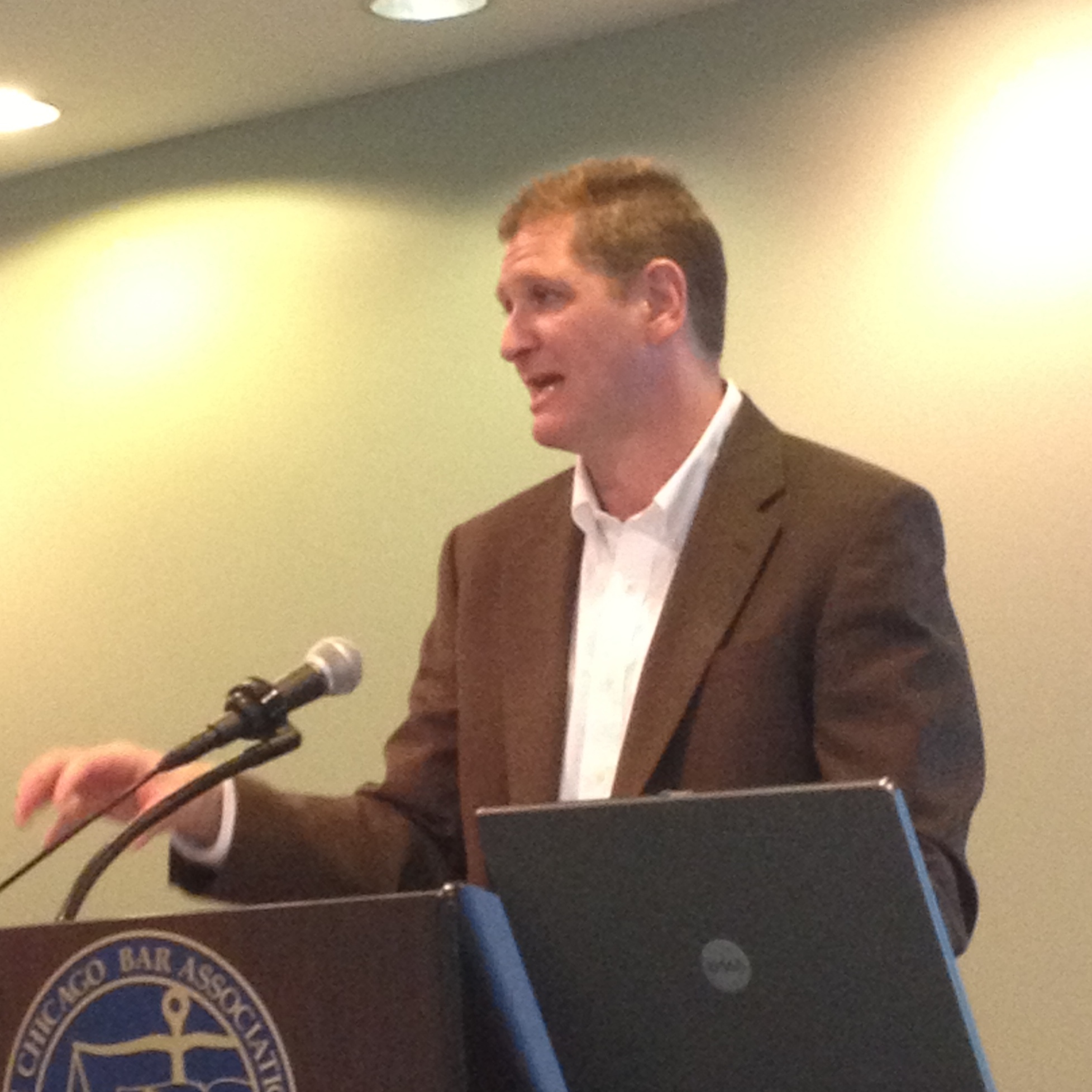
IMG_0533 copy

We’re very excited for Ken Levinson, who again will be addressing a group of other trial lawyers on how to handle child injury cases.  On Monday, September 29, 2014, Ken will be presenting at the Auto Litigation 3.0 conference hosted by the group 360 Advocacy.  During the presentation, which is here in Chicago, Ken will share important insights that he has gained over his years representing children who have been injured in car or truck crashes.

Ken has previously presented to the American Association for Justice, as well as state associations of trial attorneys, offering his tips, stories, and wisdom to lawyers looking to improve their litigation strategy in child injury cases.

Ken’s next speaking engagement after the 360 Advocacy conference is for the members of the Ohio Association for Justice in October, 2014.

Child Passenger Safety Week: What’s a Safe Car Seat?

September 16, 2014 by Levinson and Stefani Leave a Comment

Child SeatYou’re a new parent and life is now a little more interesting. You spend your days thinking about baby food instead of BBQ. You’re decorating nurseries rather than painting man caves. You may not know it yet but you’re favorite television show is about to change—from Scandal to Sesame Street.

And some adjustments are bigger than others. Making sure your child is secure while riding in a vehicle may be one of the biggest and—and most misunderstood—of them all. Safe Kids Worldwide estimates that nearly 82% of all car seats are installed and/or being used incorrectly. SeatCheck.org notes that children are safest when situated in the backseat, yet six out of 10 drivers believe that it’s okay for kids 12 and younger to sit in the front seat equipped with a passenger airbag. Nearly 70% of parents believe kids eight or younger don’t need the assistance of a booster seat, and only 21% of kids between ages 4–8 are “at least on occasion” using a booster seat.

Unfortunately, too many parents take these numbers for granted.

In the United States alone, more than 650 children ages 12 years and younger died as occupants in motor vehicle crashes, and more than 148,000 were injured in 2011, according to The Centers for Disease Control and Prevention. The CDCP estimates that proper child car seat use reduces the risk for death to infants by 71% and to toddlers by 54% in passenger vehicles. Booster seat use reduces the risk for serious injury by 45% for children aged 4–8 years when compared with seat belt use alone. For older children and adults, seat belt use reduces the risk for death and serious injury by approximately half.

In anticipation of National Child Passenger Safety Week, happening September 14-20, we’re taking cues from around the web on what you can do to make sure your child – and his or her car seat – is as safe as possible.

When it doubt, check it out
SaferCar.gov and the National Highway Traffic Safety Administration provide a convenient tool that allows parents to find the nearest car seat inspection station in their local communities. Simply search by state or zip code, click on a location and head to your destination. The site even provides an option for parents to find locations with Spanish speaking technicians. Many communities, including Mount Pleasant, are also offering free inspections during Safety Week, so be on the lookout.

The X-Factor
When it comes to car seats, several factors come into play: height, weight, age, and type. There are four types of car seats to consider: The rear-facing car seat, the forward-facing car seat, the booster seat, and the seat belt. Also from SaferCar.gov: a list of car seat types and the benefits each has to offer for all age ranges.

Crash tests, not just for dummies
Consumer Reports writes about five ways to save your child’s life, which include proper harnessing, buckling up, and resisting the urge to text and drive. You can also check out a video on CR’s new car seat crash test, also being reported in the New York Times.

Time is on your side
About.com features a great interview with mother and Child Passenger Safety Technician Casey Leach. The certified CPST talk shop, and most importantly, when you should start talking car seats in preparation for your child. Spoiler alert: not too soon. Car seats depreciate the moment they leave the manufacturing house.

City by city, state by state
Each state has its own child passenger safety laws and Illinois has a number of specific guidelines according to the Illinois Child Passenger Protection Act. CyberDriveIllinois.com, a division of the office of the Illinois Secretary of State, has all the information you’re looking for, including age guidelines and a list of recommended quick links on the subject.

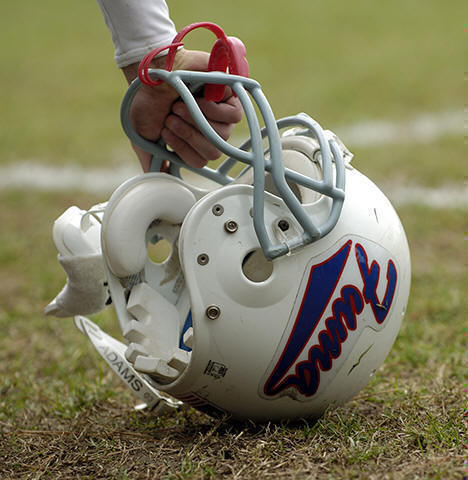
Riddell Unveils Sleeker “SpeedFlex” Helmet

September 10, 2014 by Levinson and Stefani Leave a Comment

If you noticed something different during the kickoff to the college football season two weeks ago, chances are you weren’t imagining things.

Riddell, Inc., the Rosemont-based sports-equipment company, has quietly unveiled a new football helmet designed to reduce the frequency of head trauma among players. Elusive as the perfect helmet may be, the iconic brand continues its quest to make the game safer for professional and amateur athletes by implementing innovative engineering technologies and philosophies to its gear.

Helmet_Generic

Dubbed the “SpeedFlex,” Riddell’s latest model employs a method called the Flex System. The helmet—a combination of grooves and a frontal lobe panel that allows for a quarter-inch of “give” upon impact—intends to mitigate forceful, and often brutal, hits to the head by applying a makeshift cushion to vital areas of the crown. The system applies to the helmet’s shell, facemask, and facemask attachments including its hinge clips. The helmet also features a ratchet-style chinstrap for a more secure fit, and a redesigned interior that molds to the player’s head.

Dan Arment, president of Riddell, said in a statement: “With this helmet we sought to improve player protection while delivering tangible benefits to the athlete. We’re confident these new features will quickly become design standards for Riddell, and raise the bar for football helmet performance and protective technologies across the industry.”

Riddell looked at more than 2 million points of data captured from its head-impact monitoring technologies. The company also took into account feedback from players who cited comfort and look as the two most important factors for a good helmet design. The end result is something a little bit country, a little bit rock ’n’ roll.

Crain’s Chicago Business reports that the SpeedFlex is Riddell’s second new helmet design in three years, a follow up to the Riddell 360, which hit the marketplace in 2012. In 12 years Riddell has released three different helmet designs ostensibly intended to curb head injuries. Crain’s also reports that the SpeedFlex won’t be widely available to youth and high school programs until 2015, albeit at a premium price (a new SpeedFlex is projected to retail at $400 upon its wide release).

The SpeedFlex debuts at a paradoxical period of time, now when the National Football League has seen an exponential rise in popularity over the last several years. Aptly dubbed “America’s Game,” the NFL rakes in approximately $10-$15 billion each season. It’s the highest grossing professional sport in the world. The football empire, however, has been mired in recent reports of rampant concussions and multi-million dollar lawsuits claiming negligence and abuse. The reports have undoubtedly had an impact elsewhere. Just last year, ESPN’s investigative reporting branch, “Outside the Lines,” reported that participation in Pop Warner football, the largest youth football program in the country, geared towards kids ages 5-14, declined by nearly 10 percent between 2010-2012. It’s thought to be the most dramatic two-year decline in a decade.

High school football has seen similarly alarming numbers in recent years. In 2013 the National Academy of Sciences released a 306-page report that revealed concussions and head injuries are most frequent among high school football players. The report also revealed that the average high school player is nearly twice as likely to suffer a concussion as a college player. According to Head Case, a family-run, grassroots campaign that intends to make sports safer for children, nearly 47% of all reported sports concussions occur during high school football.

Though Riddell claims that the SpeedFlex doesn’t guarantee the prevention of concussions, the company maintains that it’s the next step towards reducing the rate and frequency of head injuries. Touted by Riddell as the first helmet equipped with the Riddell Impact Response System (a built-in high grade technology that monitors impact through sensors that send alerts to a handheld device), the new gear is making a push towards an all-around safer playing field.


You Can Do Something About Youth Sports Injuries

September 9, 2014 by Levinson and Stefani Leave a Comment

Indiana Youth Soccer - Wikipedia Commons
Indiana Youth Soccer

There’s an epidemic afoot.

A recent report by Safe Kids Worldwide, an organization dedicated to preventing injuries in children, revealed an alarming lack of action among parents and coaches when it comes to young athletes and sports-related injuries. Despite percentages in the majority, a significant gap in adult awareness remains, which has proven to be a major hurdle for advocacy groups seeking to change the status quo.

It’s the latest finding amidst a slew of headlines chronicling the long-term effects of head injuries and concussions in major American sports, most notably the National Football League (a federal judge granted preliminary approval to a landmark deal that would compensate former players suffering from the long-term effects of concussions), the National Hockey League and professional soccer’s governing body (a group of soccer parents and players filed a class-action lawsuit last week against FIFA over its handling of concussions).

In this case, the Safe Kids statistics shed even more light on a prominent phenomenon of sports culture, celebrating athletes who proudly and readily admit to playing through pain. Equally as detrimental are the adults that turn a blind eye to the risks of ostensibly benign injuries, allowing their kids to play through something that could turn into a much bigger problem down the road.

The Safe Kids survey included 1,000 athletes between 7th and 12th grade, 1,005 coaches, and 1,000 parents. Below are some highlights:

90% of athletes said they have been injured while playing a sport; 54% of athletes said they have played injured; 42% of athletes said they have hidden or downplayed an injury during a game so they could keep playing; and 62% said they knew someone else who had hidden or downplayed an injury so they could keep playing

70% of athletes who played injured had told a coach or parent that they were injured

More than half (53%) of coaches said they have felt pressure from a parent or player to put an athlete back into a game if the child had been injured; and 31% of parents said they don’t do anything to prevent injuries

Less than half of coaches said they had received certification on how to prevent sports-related injuries; and nearly 80% of parents said they would want their child’s coach to be certified in injury prevention

Nearly 1.24 million youth athletes were seen in emergency rooms for sport injuries in 2013, nearly 3,397 each day

The statistics underscore a stark reality for students, athletes, coaches and parents. As we enter the fall season, it’s important to take proactive steps to prevent unnecessary injuries by educating each other and taking advantage of strategies for smart play. Discussing such strategies in a communal setting may be the most beneficial way to achieve a supportive environment, one that depends on like-minded folks to protect the well being of students involved in school sports.

Below are some tips on injury prevention, as described in the same report by Safe Kids Worldwide:

Set the ground rules at the beginning of the season: Coaches bring together parents and athletes before the season begins to agree on the team’s approach to prevent injuries

Teach athletes ways to prevent injuries: Proper technique, strength training, warm-up exercises and stretching can go a long way to prevent injuries

Prevent Overuse Injuries: Encourage athletes to take time off from playing only one sport to prevent overuse injuries and give them an opportunity to get stronger and develop skills learned in another sport

Encourage athletes to speak up when they’re injured: Remove injured athletes from play

Put an end to dirty play and rule breaking: Call fouls that could cause injuries

Get certified: Learn first aid, CPR, AED use and injury prevention skills


Levinson and Stefani Accepts ALS Ice Bucket Challenge

September 4, 2014 by Levinson and Stefani Leave a Comment

http://levinsonstefani.com/wp-content/uploads/2014/09/ALSChallenge1.m4v

What started as a simple challenge by a professional golfer, college baseball player, or whomever you’re inclined to believe, has quickly become one of the most successful fundraising campaigns in the history of fundraising. No matter the dispute of origin, there’s no disputing that the ALS Ice Bucket Challenge has proven to be a worthy, altruistic act of solidarity in the face of a devastating disease.

In just one month, give or take, the ALS Association has received over $106 million in donations, thanks to the viral video phenomenon that challenges participants to dump a bucket of ice water on their head in lieu of a donation. Folks are then charged with nominating others to take part. The Challenge aims to raise awareness about ALS (amyotrophic lateral sclerosis, better known as Lou Gehrig’s disease) and its impact. We’d be missing the point if we failed to mention that ALS is a progressive neurodegenerative disease that affects nerve cells in the brain and the spinal cord, leading to debilitating muscle deficiencies in the body.

The rules of the Challenge have since been modified, albeit informally, to include both dumping and donating. Participants have included former president George W. Bush, Microsoft founder Bill Gates, Facebook CEO Mark Zuckerberg and NBA superstar LeBron James, to name some. Donations have ranged between $1-$200,000 according to the ALS Association, most notably from actor Leonardo DiCaprio, the Chairman of Carnival Cruise Lines, Micky Arison, and the New York Yankees. And consider this: Not a single dime was spent on marketing the campaign.

ALS Association President and CEO Barbara Newhouse has been animate that all the money raised from the Challenge would be used towards cutting-edge research and to support those living with the disease. Newhouse also emphasized that the organization maintains the highest possible four-star rating from CharityNavigator.org, a not-for-profit that grades charities based on practices and the allocation of donated funds, so you can be sure that the money is going towards a worthy cause.

According to the latest annual report from the ALS Association, 32% of its budget ($8.5 million) went to education efforts while 28% ($7.2 million) went to research efforts. Patient and community accounted for 19% of the budget ($5.1 million), fundraising 14% ($3.6 million) and administration 7% ($1.9 million).

Levinson and Stefani recently made a donation to the ALS Association, but we certainly couldn’t let someone walk away without getting wet. Thankfully, we have great folks in our office who are willing to go the extra mile on behalf of the rest of us. Founding partner Ken Levinson completed the Challenge and we’ve got the video to prove it (see above).

Take note of Ken’s chattering teeth post-Ice Challenge, in case you doubted just how cold a bucket filled with ice water really is. Thanks, Ken, for taking one for the team. We challenge the rest of you out there to join the ALS Association and millions of others to help make a difference, whether it’s through donating or getting doused!

  • « Go to Previous Page
  • Page 1
  • Interim pages omitted …
  • Page 135
  • Page 136
  • Page 137
  • Page 138
  • Page 139
  • Go to Next Page »

Levinson and Stefani Injury Lawyers in Chicago / Attorney Advertising